
How the Integration of Ride-Hailing Services and Traditional Taxis Can Enhance Convenience and Choice for Citizens
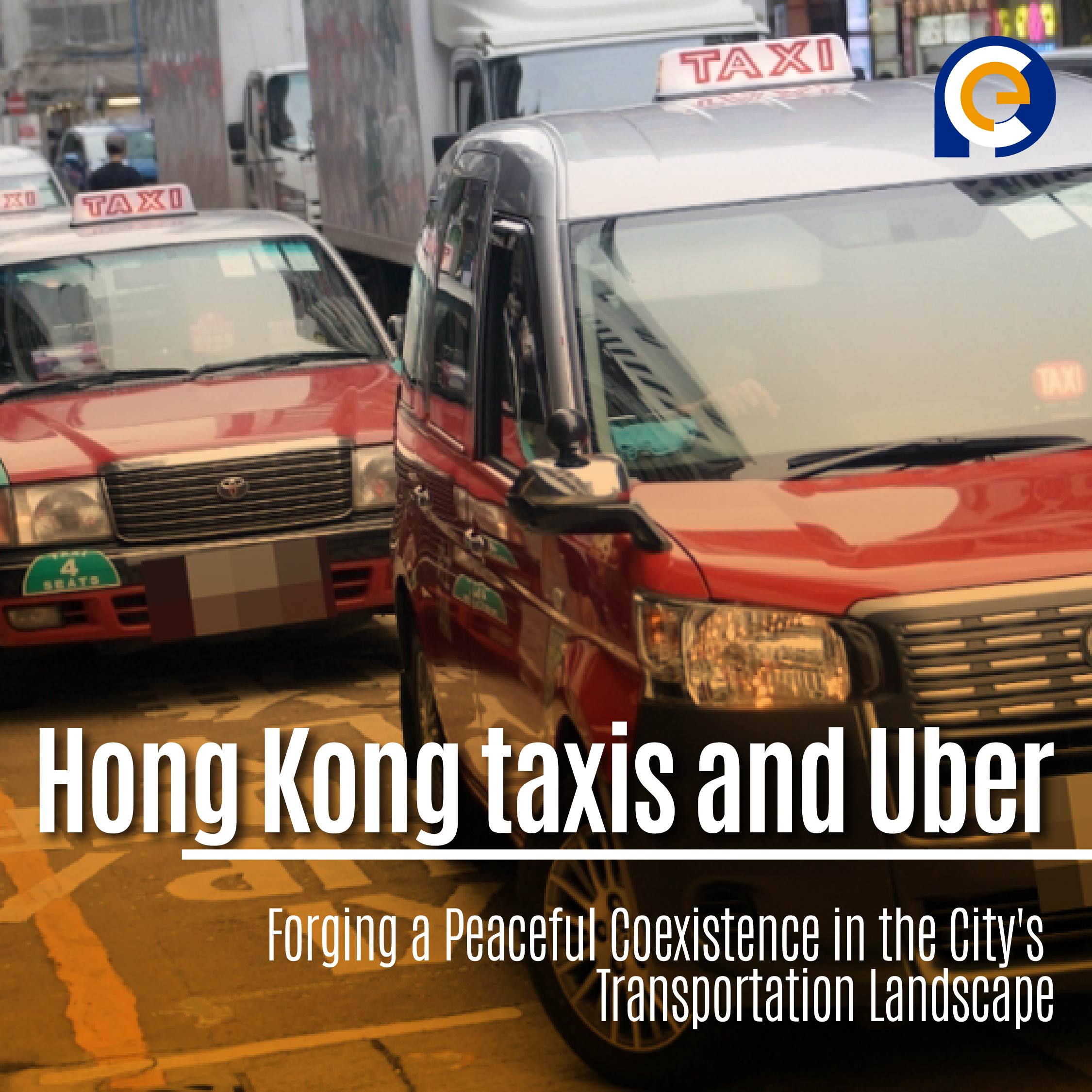
In the bustling city of Hong Kong, where transportation is a vital aspect of daily life, the coexistence of traditional taxis and ride-hailing services like Uber has long been a topic of debate. While some argue that the rise of Uber has threatened the very existence of the taxi industry, others see the integration of these services as a means to increase convenience and choice for citizens.
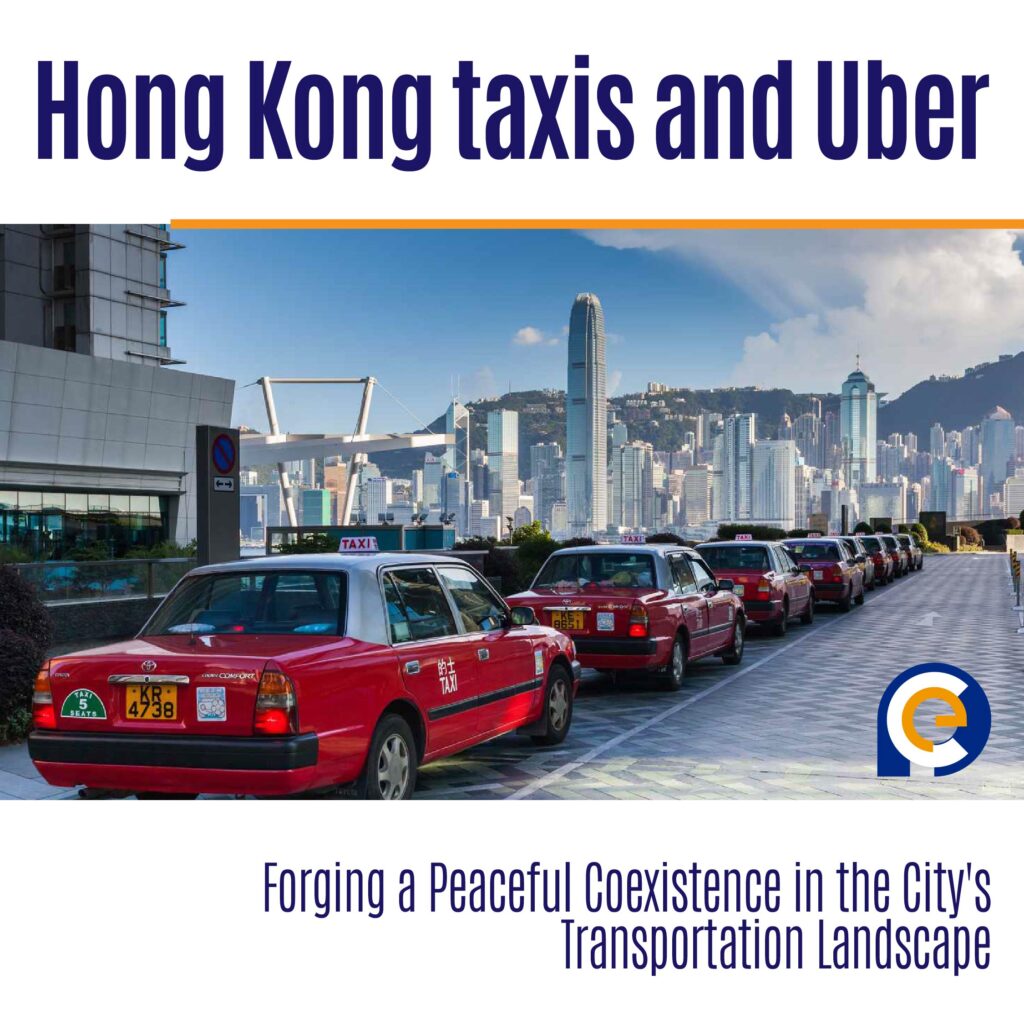
Hong Kong, a city with a relatively small land area and a large population, has a unique transportation landscape. The city’s transportation regulations are designed to meet the needs of carriers, public transporters, and those driving personal vehicles. The Transport Department, responsible for ensuring the implementation of traffic management laws and managing major transport infrastructures, plays a crucial role in this process.
Public transport in Hong Kong includes railways, trams, buses, minibuses, and ferries. A driving license is necessary for those who want to drive a private car or engage in transport activities. The city also imposes vehicle safety standards and requires vehicles to be insured.
To maximize the efficiency of the road network and ensure safety, the Hong Kong Government has implemented a network of Intelligent Transport Systems (ITS). These advanced technologies use traffic management and control systems to optimize traffic flow.
The integration of ride-hailing services like Uber into this landscape has raised concerns about the impact on traditional taxis. However, rather than viewing these services as competitors, it is essential to recognize that they can coexist and even complement each other.
Uber, which initially gained popularity for its affordability and convenience, has evolved to offer a range of services, including Uber Taxi, which provides metered rides. This option allows customers to enjoy the benefits of a traditional taxi experience while still benefiting from the convenience of ride-hailing.
 El futuro autónomo de Uber: estrategias y desafíos
 Medios chinos destacan respuesta gubernamental tras incendio en Hong Kong
 Prensa china aborda crisis en Hong Kong, alianzas en Laos y alerta sobre Japón
 China califica de “despreciable” la ampliación de visas del Reino Unido para Hong Kong
 Prensa emiratí refleja compromiso global e innovación local
The taxi industry, too, has adapted to the changing landscape by partnering with ride-hailing platforms. In fact, many successful taxi companies worldwide now collaborate with former ride-hailing rivals, recognizing the value of integrating their services.
In Hong Kong, the integration of taxis and ride-hailing services can enhance convenience and choice for citizens. By offering a range of options, from traditional taxis to ride-hailing services, the city can cater to diverse transportation needs. This synergy can also lead to increased efficiency and reduced congestion on the roads.
The coexistence of traditional taxis and ride-hailing services like Uber in Hong Kong is not a zero-sum game. Rather, it presents an opportunity for the city to forge a peaceful coexistence, where both services can thrive and contribute to the overall transportation landscape. By embracing this integration, Hong Kong can continue to innovate and adapt to the changing needs of its citizens, ensuring a safe, efficient, and convenient transportation system for all.
Source: prensa.ec
Comments are closed, but trackbacks and pingbacks are open.